Your Zestimate Could Be $75,000 Wrong
Zillow’s Zestimate could be off by tens of thousands. Here’s what the algorithms miss—and the 3 steps to finding your home’s true value.

Every homeowner does it. Every seller does it. Every trustee and executor does it. You type an address into Zillow or Redfin, a number pops up, and you think: “Okay — that’s what the house is worth.”
It’s fast. It’s easy. It feels scientific. And when real money is on the line — especially family equity in a probate or trust sale — treating that number like gospel is one of the most expensive mistakes you can make.
The 7.5% off-market reality check
Here’s what the national studies and the tech companies’ own fine print actually say: automated valuation models — AVMs — are at their best when they’re copying the listing agent’s homework. When a home is actively listed on the MLS, the algorithm anchors to that list price. Median error can drop under about 2%. Take that listing off the market, and the anchor disappears. Now the model is guessing off lagging tax records and neighborhood averages.
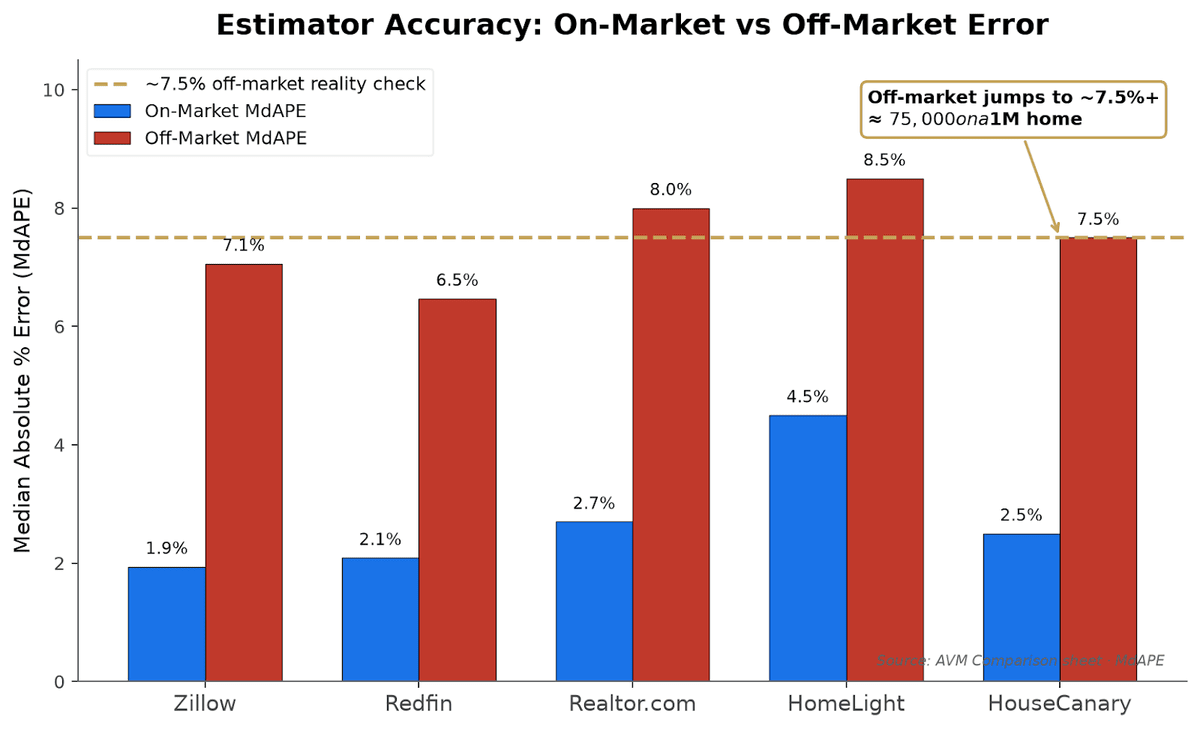
Median off-market error jumps to about 7.5% or more. On a $500,000 home, that’s roughly $37,500. On a million-dollar home, you’re looking at $75,000-plus. That’s the difference between netting top dollar… and leaving your family’s equity on the table. Or the difference between selling your home and languishing online for months because it's overpriced.
I start where the algorithms stop
I don’t ignore online estimates. I pull them. I line them up. Then I go three steps deeper than any algorithm can go.
First, we compile the seven primary AVMs we use:
- Zillow Zestimate
- Redfin Estimate
- RVM — Realtor Valuation Model
- HouseCanary Value
- Quantarium
- CoreLogic Total Home Value (Cotality)
- Collateral Analytics AVM
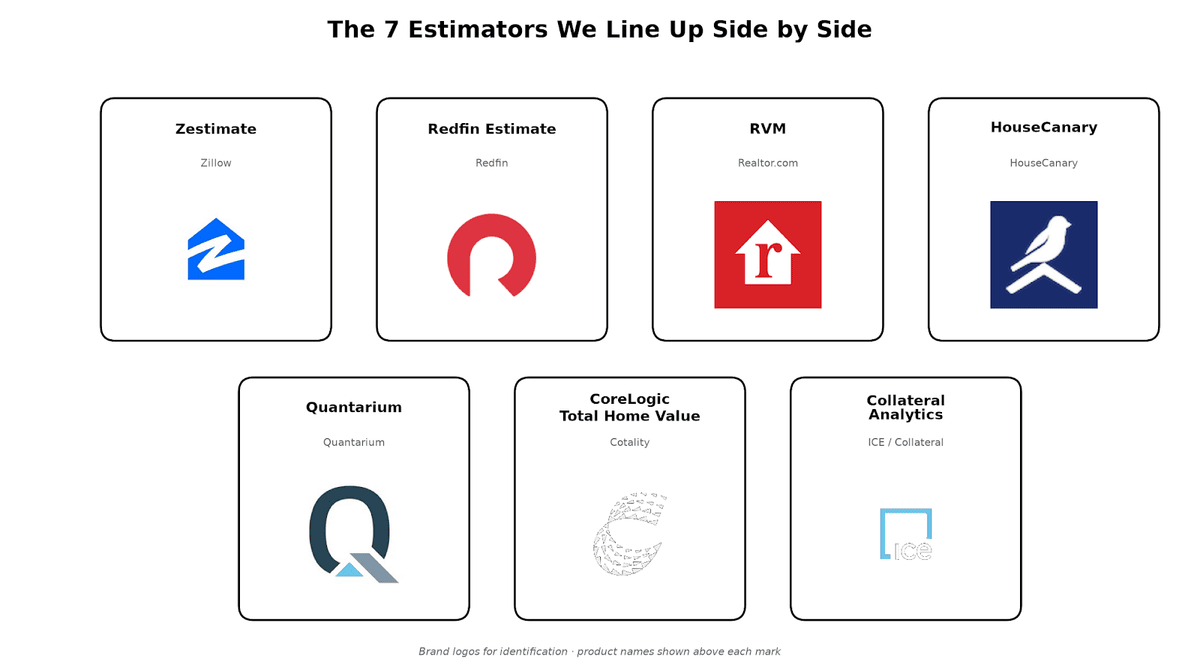
Side by side, that gives us a baseline spread. But an average of seven automated guesses is still just an automated guess. So we add three steps no algorithm on earth can replicate.
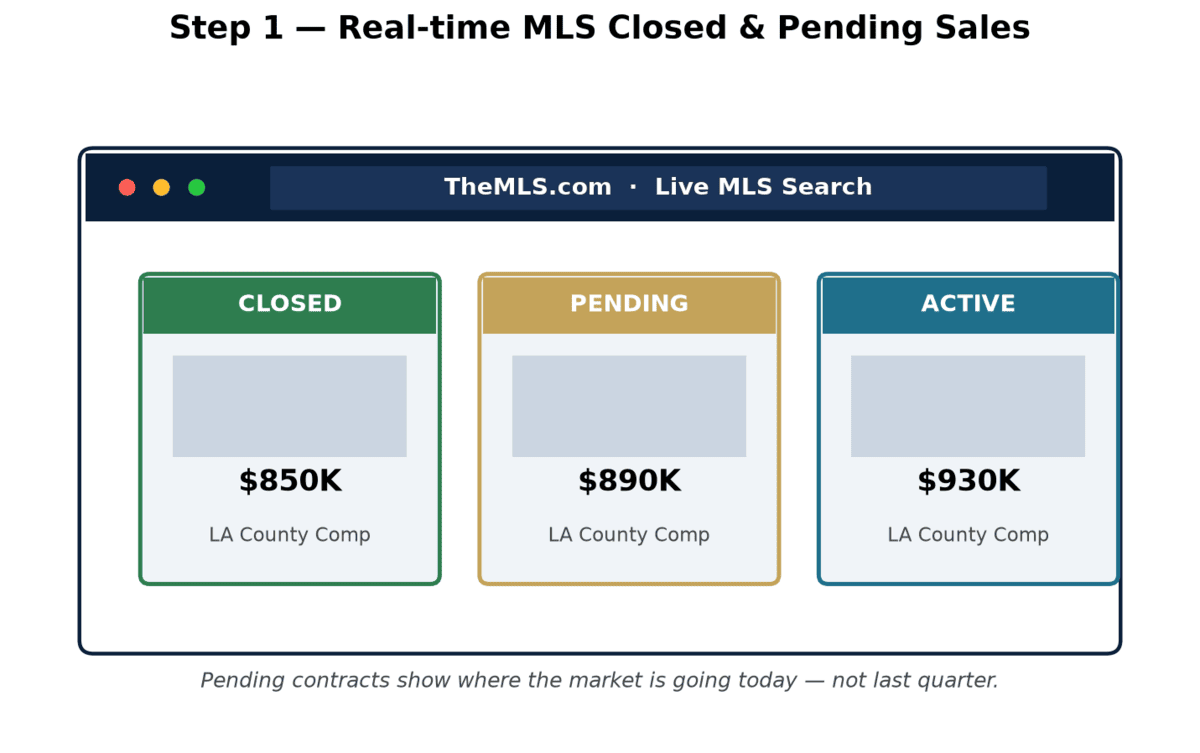
Step 1: Real-time MLS closed and pending sales
Algorithms look backward at deeds recorded months ago. We look at active, pending, and recently closed MLS sales in real time. Pending contracts tell us where the market is going today, not where it was last quarter. We also weigh buyer showing activity, days on market, and what’s competing in the neighborhood — so we can read true buyer momentum.
Step 2: Public records and off-market sales
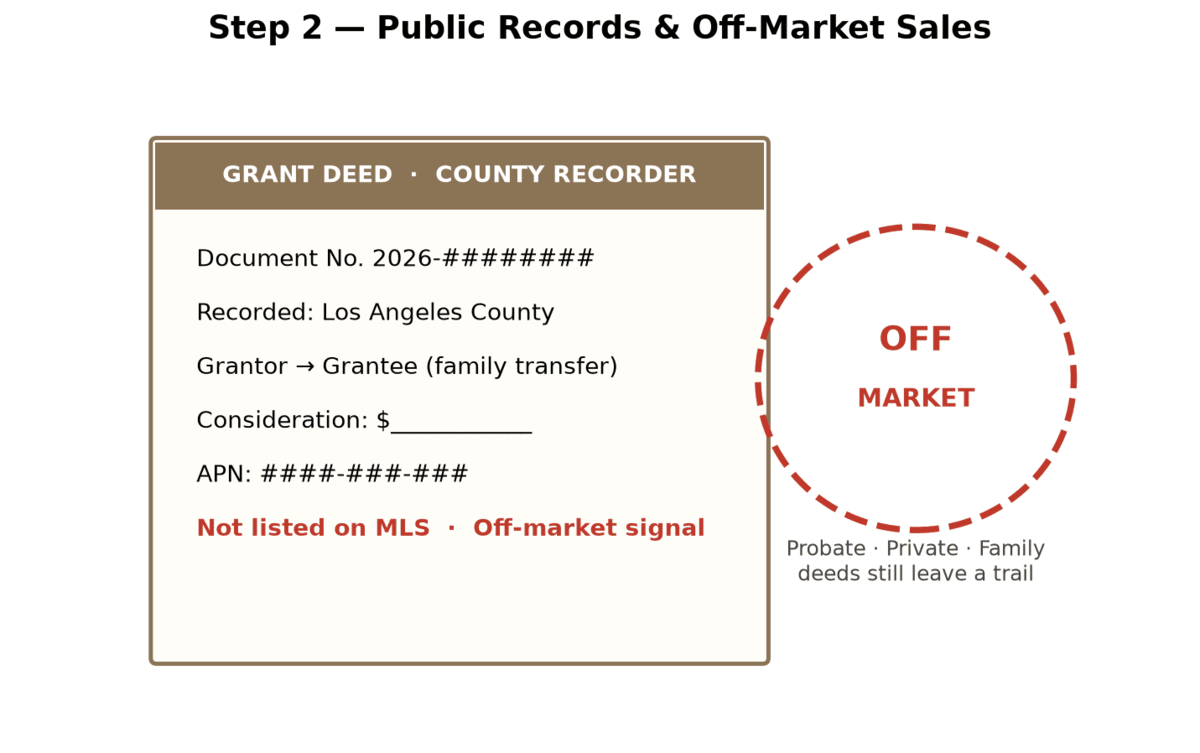
Not every deal hits the MLS. Private sales, probate transfers, family deed changes, and off-market closings still show up at the county. Those records carry pricing signals. We dig them out — including sales algorithms often misread or miss entirely.
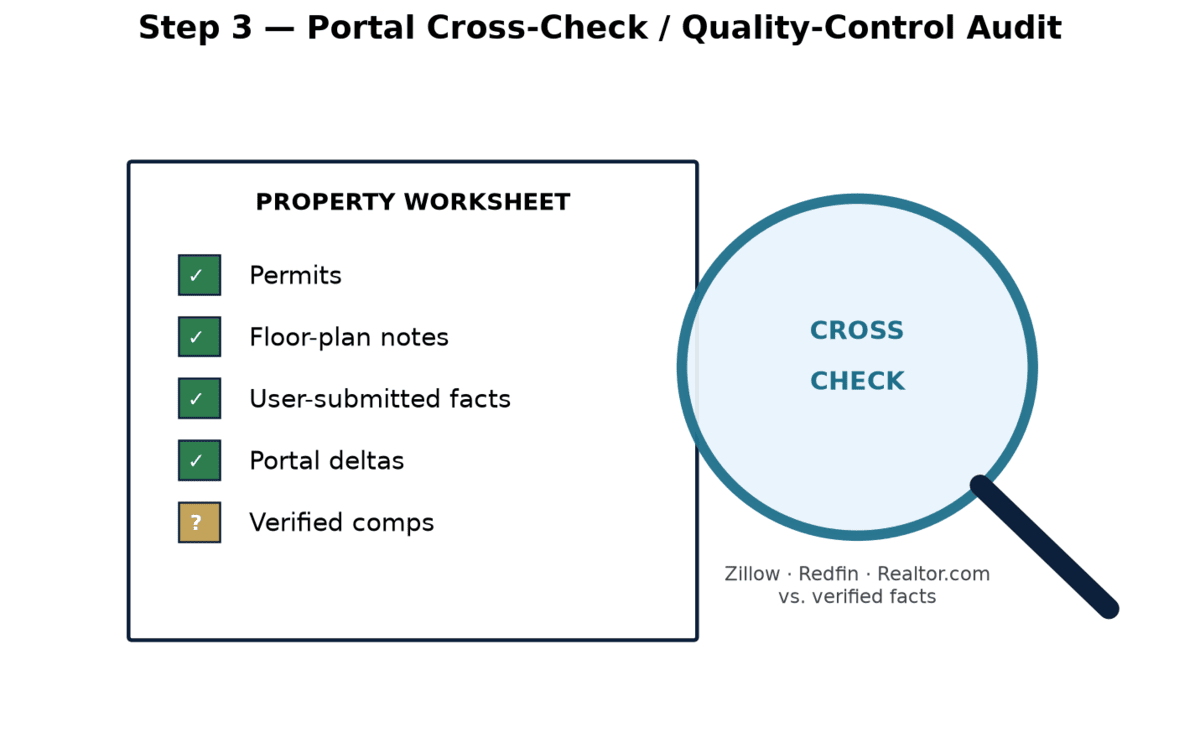
Step 3: Portal cross-check — the quality-control audit
Finally, we cross-check the major portals for obscure user updates, permit notes, or floor-plan changes we haven’t already verified. I’ll be honest: they almost never surface something we missed. But in high-stakes real estate — especially probate — thoroughness is not optional. We don’t leave stones unturned.
Estimate vs. assessment
An online estimate is a ballpark with roughly a ±7.5% error band when the home isn’t listed. A professional assessment is a court-tested, market-validated strategy built to protect — and maximize — every dollar of equity.
Whether you’re selling a family residence, administering an estate in probate, or just checking your own net worth: don’t hand tens of thousands of dollars to a computer and call it done. Want a true, comprehensive valuation on your property? Reach out. That’s the work I do every week for families across Los Angeles.
Let's take a look at the news from this week.
My weekly overview of the housing market always starts with a look at the key demand and supply factors fundamental in any economy. The driver of demand is interest rates, and supply is measured by the homes for sale.
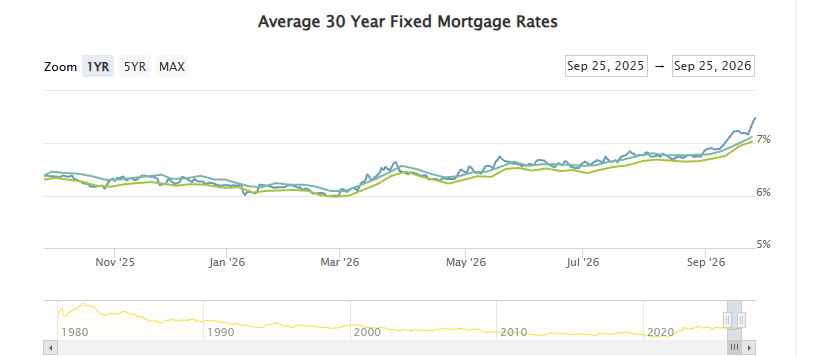
Mortgage rates closed up AGAIN over 0.25% to close at 7.49%, up from 7.20% last week.
On the supply side, inventory grew in July to exceed last year's rate by about 3% or almost 22,000 more homes for sale.
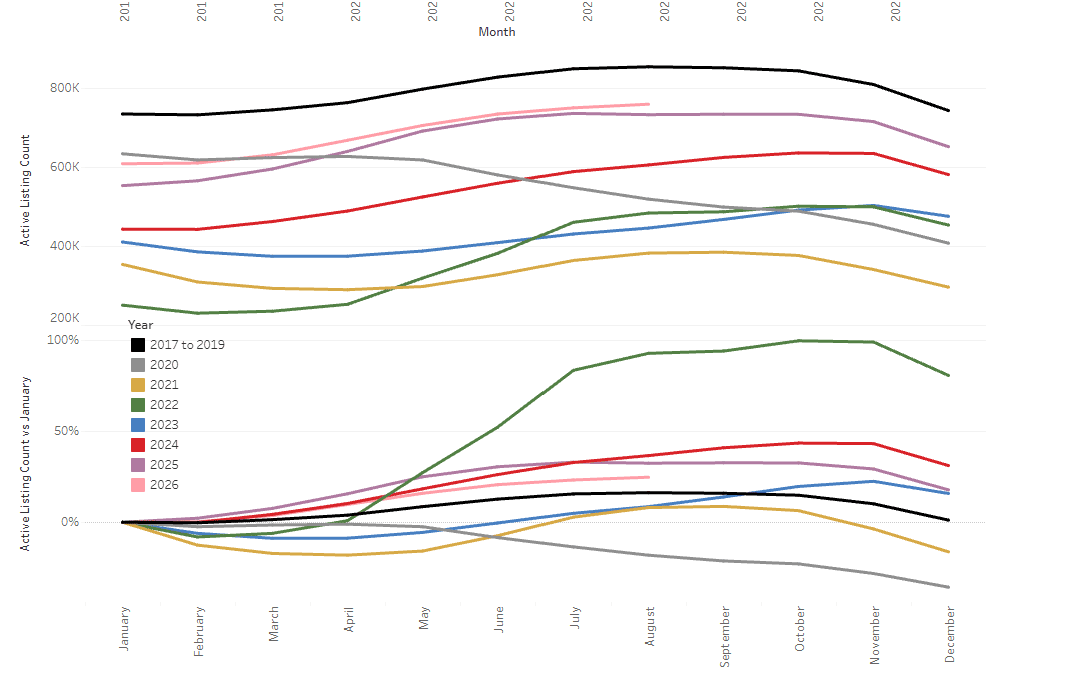
By historical standards, while inventory has increased, it is higher than any COVID year and lower than any pre-COVID year. As long as inventory remains at these levels housing prices CANNOT substantially decrease nationally, and create pressure for more home building.
All real estate markets are locally driven. While there is news nationally, our market is affected by local events and factors. In Los Angeles, our market continues to be slightly favoring sellers closed again at 35 according to Altos Market Data.
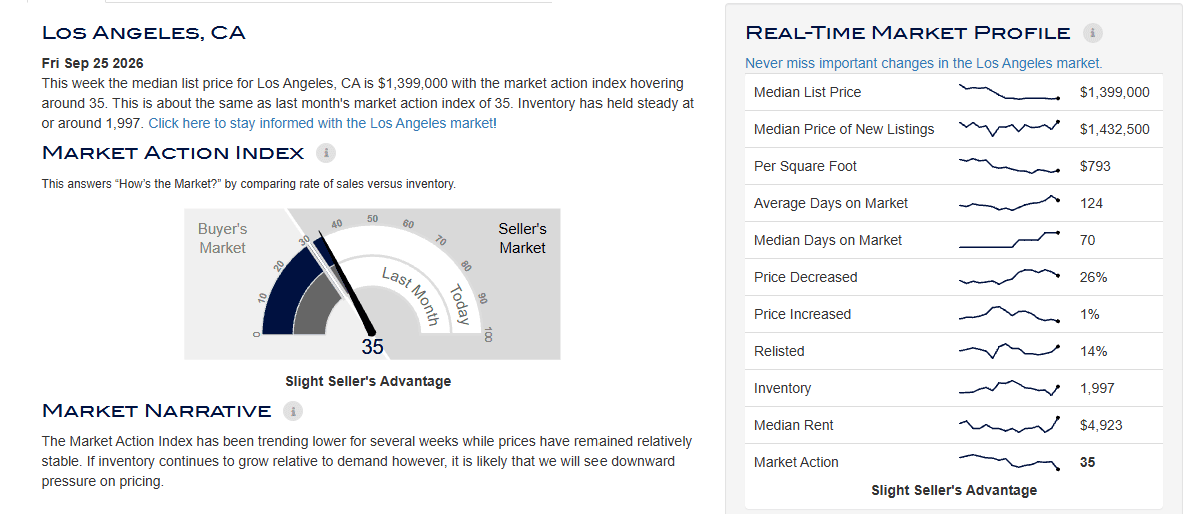
With inventory in Los Angeles growing and price per square foot dropping, this market is finally moving towards a balanced market for buyers just as the interest rates are dropping, making this the best opportunity for buyers in almost a decade.
So, in the news this week…
Google’s plan to replace the MLS seems to have taken a step backwards, as their vendor, House Canary, filed for bankruptcy last week.

It is a chapter 11 bankruptcy, which means they plan to reorganize after consolidating debts and liabilities, so I would expect to continue to see them as a player in real estate, but for now this is a setback for Google’s efforts.
Compass continues to push its “hide a listing” strategy with more propaganda, announcing this week that their “See It First” program to fool buyers and sellers is expanding from just Compass offices to the other companies that Compass has purchased as well.

So, previously, ONLY Compass agents was the best solution for buyers and sellers. Now, Compass agents PLUS brands owned by Compass is better, just not distributing those listings by agencies NOT owned by Compass. Can anyone explain how that serves their customers, the sellers, but hiding it from some agents and not others “for only a few weeks.”
The good news for the housing market is that the push by Compass to push their hidden listings does not seem to be working, despite all the hype. According to real estate professor Mike DelPrete, where the hidden listing trick is most proficient its use has been very stable.
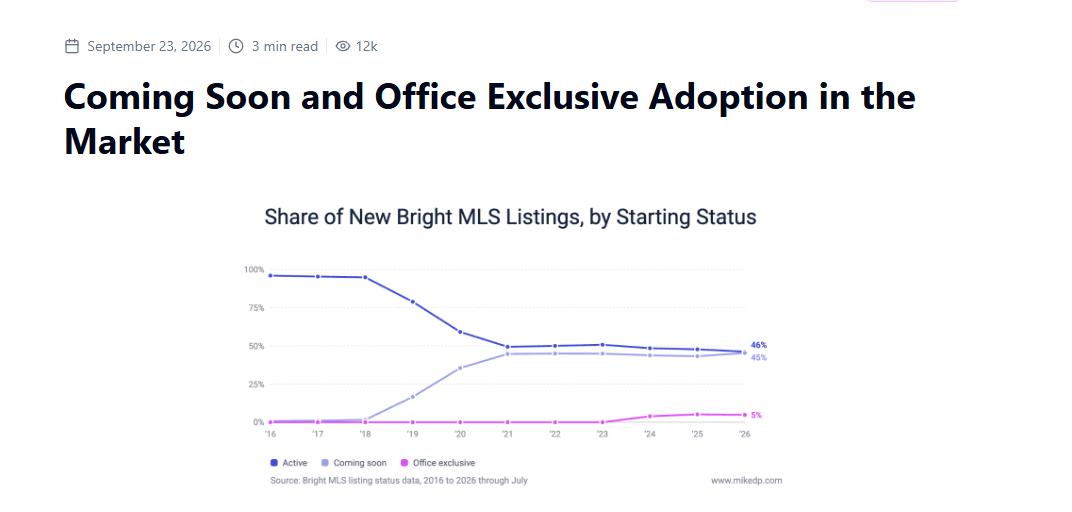
Are Bright MLS, one of the nation’s largest MLS groups based on the East Coast, about 45% of listings are their “Coming Soon” listings, but that number has been pretty flat since 2021. In other MLS groups, such as CRMLS in Southern Califonia and MRED in the Chicago Area, the number is much smaller at 17%
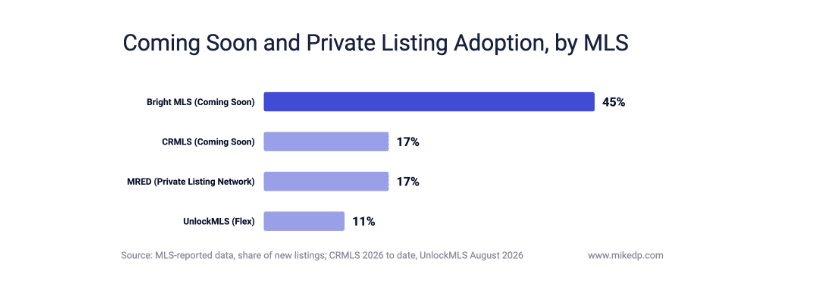
He concludes his analysis with, despite the industry lead by Compass fighting for the past 2 years to hide information from buyers and sellers, the market is voting where the vast majority of customers want homes sold on the open market, and even in Bright MLS only 0.7% of the closed sales were never publicly marketed.
So, what should YOU do about buying or selling real estate in today's market?
If you want to move or downsize, it's still a great market to sell, but a bit more challenging than in the last few years.
Finally, if you can find a property that will give you cash flow, this is a great time to get solid cash flow and enjoy the tax benefits of real estate.
How can I help you? Call, text, or email me.
Bill Gross
TheLAProbateExpert.com
(310) 210-0008
bill@thelaprobateexpert.com
Real Estate Broker, DRE #01022275
eXp Realty, 8383 Wilshire Blvd., Suite 800, Beverly Hills CA 90211